
The estate case
(our model)
Total assets to transfer
~ 363.000 €
−17.600 €

Browser not supported
This preview relies on modern web standards (for example IntersectionObserver). Please update your browser or disable restrictive modes to view the page.

Wealth is built over many years — often tied to clear ideas about how it should be used, even beyond death.
That taxes and costs shrink an estate before it is distributed is hardly surprising. What is less obvious is how many parties outside the family profit from an inheritance — especially when statutory succession applies.
To make these effects tangible, we combined and quantified various studies and data sources — mapping who has a share in it, and how large that share is on average.
What on average does not reach the heirs from the estate: (proportional to the size of the estate)
There is no single, comprehensive statistic for the figures shown. That lack of transparency is itself part of the problem.
Instead, we combined many individual studies and data sources of varying quality and normalized them onto a common basis to make the effects comparable.
In addition, wealth distribution in Germany is highly unequal.
The results should therefore be read as normalized averages rather than a typical individual case. They still provide a reliable indication of the order of magnitude in which different parties participate in estates across inheritance cases.
Change of perspective
An estate case covers the entire transferable estate. It can be distributed among several people. That is why the amount that reaches any one person is correspondingly smaller.
The estate case
Total assets to transfer
~ 363.000 €
−17.600 €
The heirs
DIW
Representative data.
Real people. Real inheritances.
85.052 €

Inheritances are highly uneven. A few very large inheritances pull the average clearly upwards.
32.148 €

Half of all inheritances considered were below this amount, the other half above. The median therefore describes the more realistic order of magnitude for many people.
The actual impact of an estate depends on personal context. This includes not only assets and liabilities but also their specific composition — for example property, business interests, insurance, or digital assets. Additional factors include family relationships, applicable succession law, marital property regime, habitual residence, existing dispositions, or gifts already made.
A reliable assessment therefore requires the full context of this sensitive information. In our view, such data does not belong in a simple online calculator — and certainly not on a publicly accessible website.
Therefore, NachlassGestalten.de deliberately shows general orientation values intended to help you better understand magnitudes and possible effects.
On the next page, we explore the topic of context in more detail.
If you then want to understand what impact these connections have concretely on your own estate situation, you will find the right support on DigitalerNachlass.App. There, individual review of your personal context is the focus — in a dedicated and secure environment.
Roughly one in three inheritance cases in Germany involves no estate or only minimal transferable assets. That does not mean there are no costs or risks. A short look at succession law helps clarify how the pieces fit together.
Succession systems around the world share similar underlying principles but differ in how they are shaped in
detail.
The main divide runs between civil law (Europe) and common law (US & UK) — especially on how
succession to the estate works and how liability is handled.

The distribution of an estate may be determined freely by a will — subject to statutory limits.

Without a will, statutory succession applies: how the estate is shared is usually determined by degree of kinship and family structure.

Close relatives often have a claim to a compulsory share, which can only be reduced to a limited extent even by will. In Germany, the compulsory share is usually 50 % of the statutory inheritance share.
Children often have a claim to a compulsory share as well as a further statutorily protected share, which can also only be modified to a limited extent by will. In Spain, the compulsory share is one third of the estate; another third can be distributed only among the children. Spouses typically receive only a usufruct right over part of the estate.
Life partners often have a claim to a minimum share that must be actively asserted. The specific rules and quotas vary by state.
Close relatives can ask for the estate to be reviewed after the fact for reasonable financial provision — the court decides on a case-by-case basis.

Heirs step in as universal successors: the estate comprises both assets and liabilities. Debts and contracts pass in full to the heirs.
Under common law there is no direct universal succession: the deceased’s property is first administered centrally as a separate fund (the estate). Debts are paid from it before the remaining assets are distributed to the heirs or beneficiaries.
Under common law there is no direct universal succession: the deceased’s property is first administered centrally as a separate fund (the estate). Debts are paid from it before the remaining assets are distributed to the heirs or beneficiaries.

An inheritance may be disclaimed . If no disclaimer is filed in time, acceptance is generally deemed automatic; in practice, early unequivocal conduct may count as acceptance.
An inheritance may be disclaimed within 2 months after a valid demand (at the earliest 4 months after the estate opens). If no timely disclaimer is filed, acceptance is generally deemed automatic; in practice, early unequivocal conduct may count as acceptance. After 10 years without a declaration, the inheritance is deemed disclaimed.
An inheritance may be accepted or disclaimed following a court summons within a statutory period (typically around 30 days). If no timely declaration is filed, the inheritance is deemed accepted. Without such a summons, there is no fixed deadline to decide. In practice, early unequivocal conduct may count as acceptance.
An inheritance may be disclaimed within 10 years. If no timely disclaimer is filed, a later refusal is no longer possible; in practice, early unequivocal conduct may count as acceptance.
In the United Kingdom an inheritance may be disclaimed within two years by lodging a disclaimer. There is no automatic acceptance; in practice, however, unequivocal conduct may preclude a later disclaimer.
In the United States an inheritance may be disclaimed within nine months* by lodging a disclaimer. There is no automatic acceptance; in practice, however, unequivocal conduct may preclude a later disclaimer. * Specific deadlines and requirements vary by state.

As successors in title, heirs may in principle be liable with their personal assets for estate debts if the estate is insufficient and no applied limitation of liability is in effect.
As successors in title, heirs may where appropriate also be liable with their personal assets for estate debts if the estate is insufficient and no actively chosen limitations on liability apply.
As successors in title, heirs may in principle also be liable with their personal assets for estate debts if the estate is insufficient and no expressly chosen limitations on liability apply.
Note: Short overview for orientation only, not legal advice. Always validate decisions in your individual case with qualified professionals.
Although these core principles are easy enough to take in, only a small single-digit share of the population knows them in full. Many people are not aware of succession, acceptance and disclaimer of an inheritance, or liability.
Roughly two thirds of inheritance cases in Germany are handled without a will and therefore follow the statutory fallback rules. At the same time, conflicts among heirs arise in about one third of cases — at best costing money only, but in the worst case tearing families apart.
Most people don’t structure their estate in time — not because of an informed, deliberate decision, but because of a combination of barriers operating on two distinct levels:



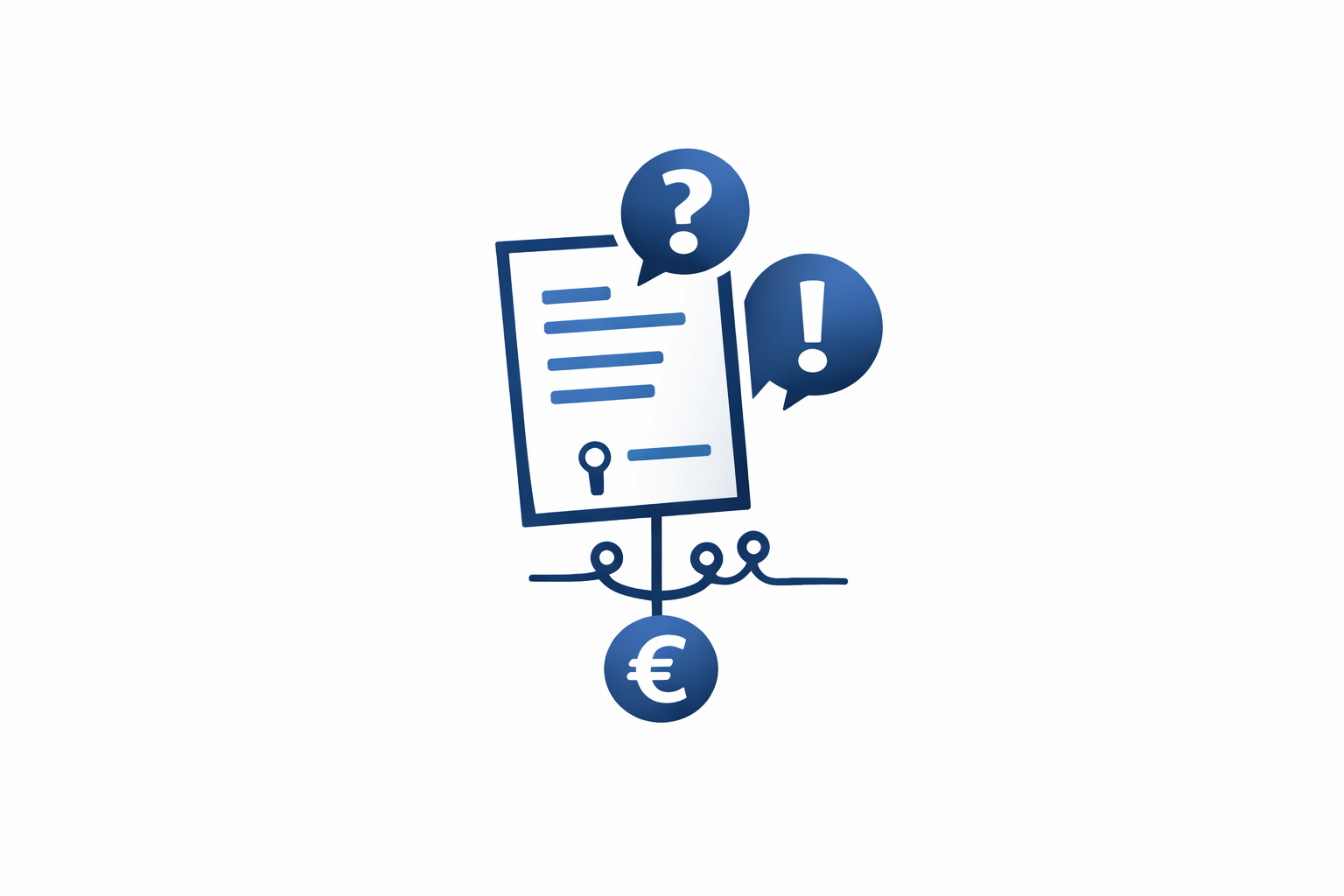
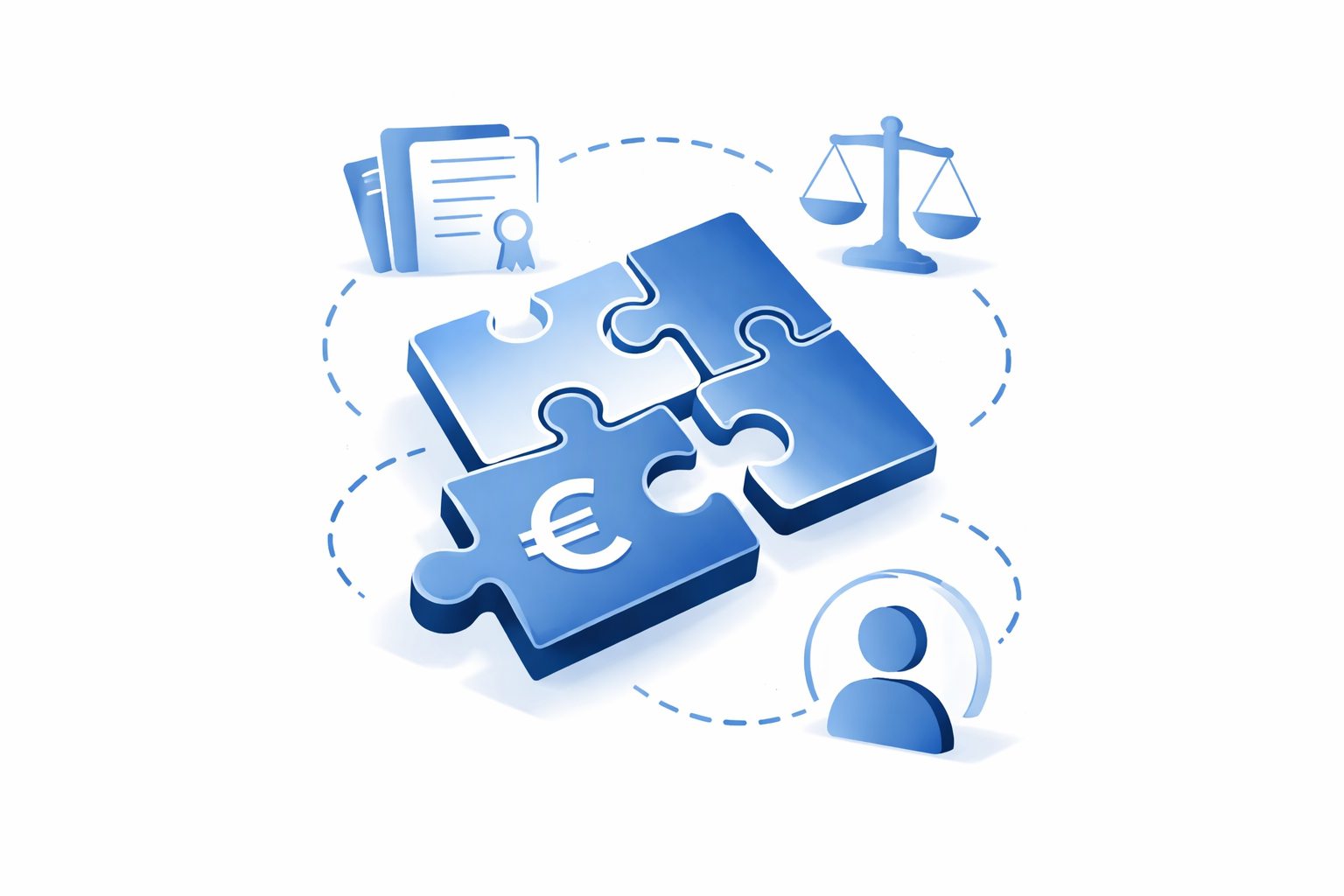


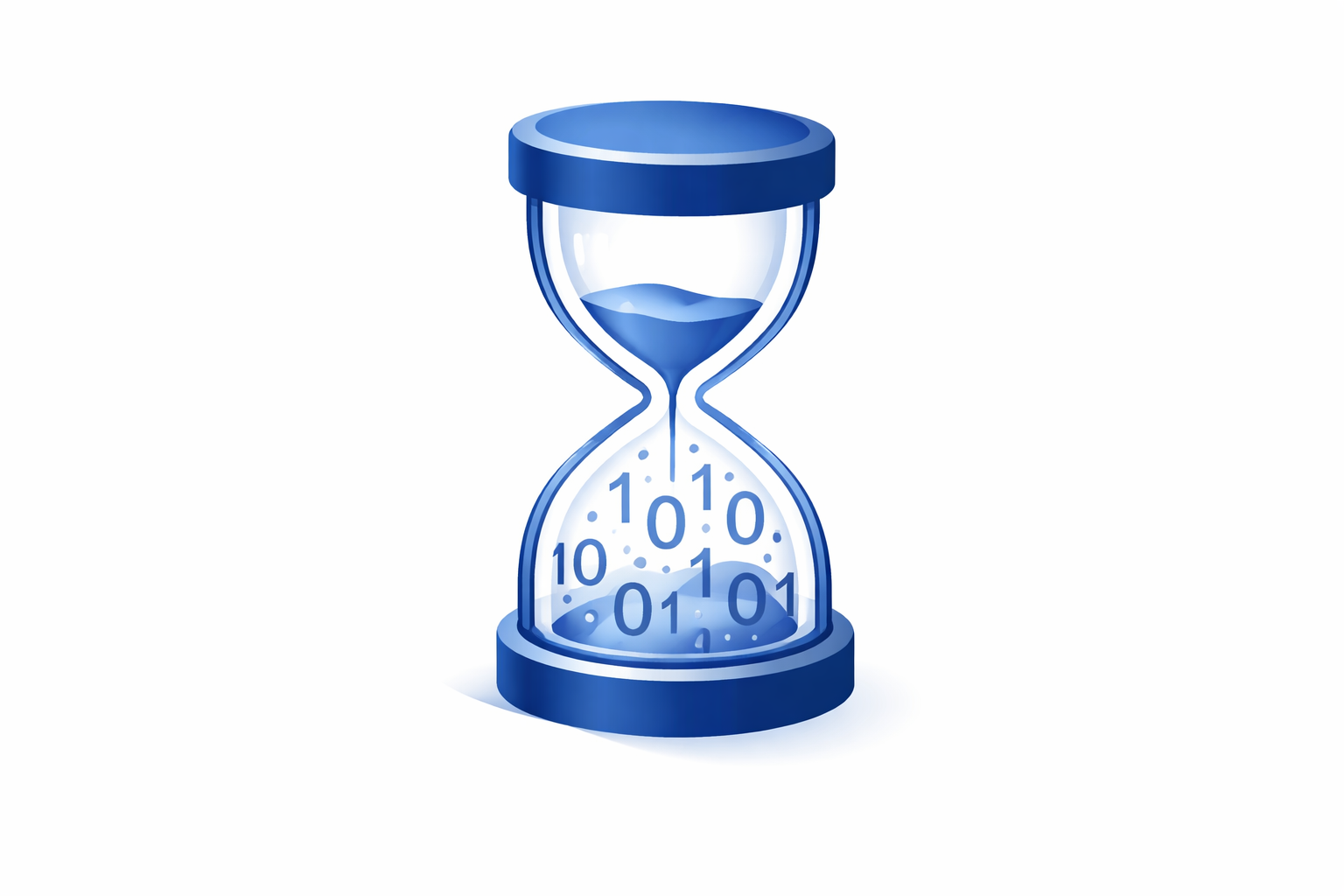
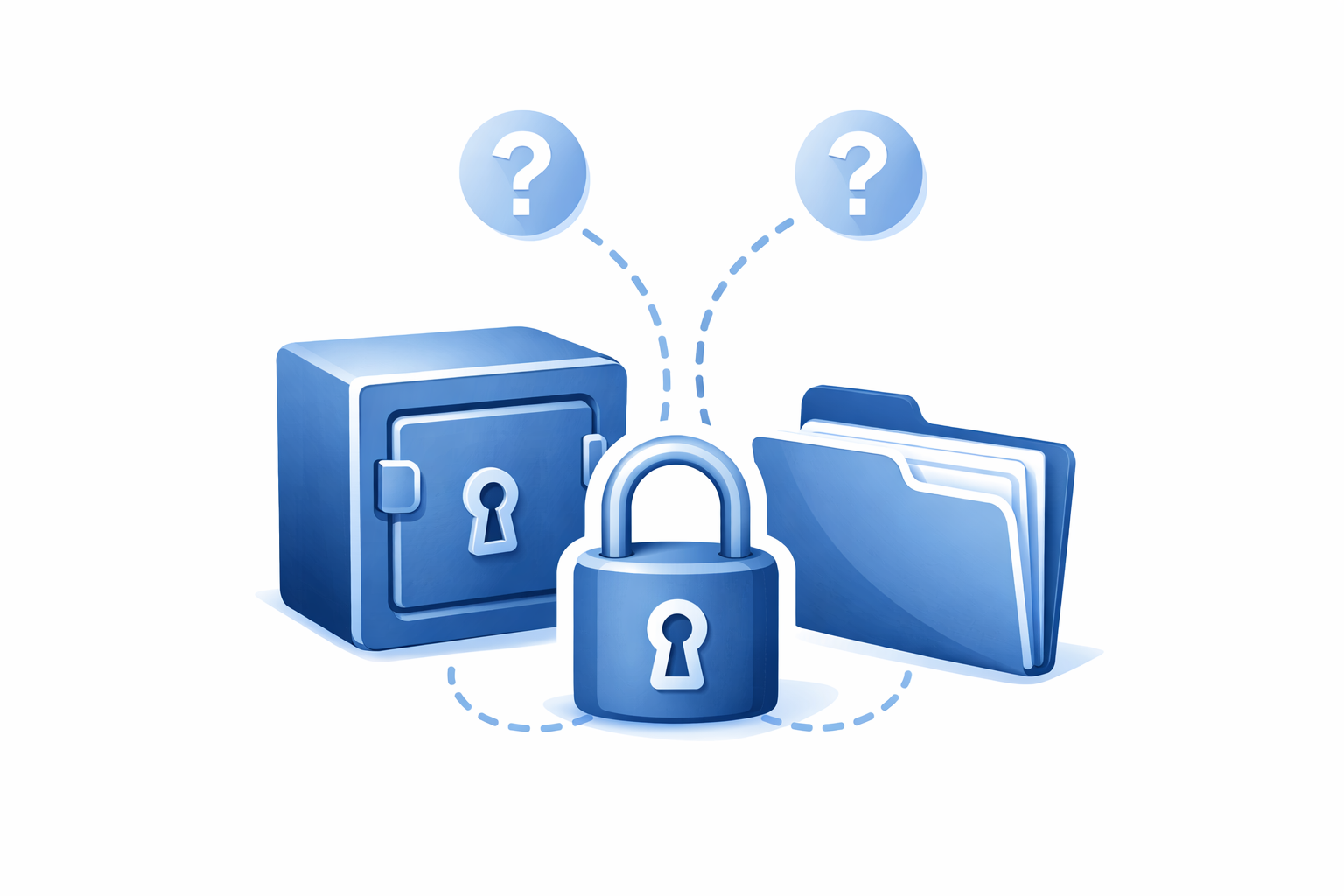
As a result, most people never get started at all — until it is too late.
Even the dominant form of wills in Germany (joint Berlin will) addresses at most one third of these issues.
If you actively shape your estate, you turn it from a passive outcome into a conscious, optimised distribution of wealth aligned with your own decisions.
Estate planning is not a static topic.
Legal frameworks, typical mistakes, and structural relationships keep evolving — and taken together, they are hard to keep in full view.
We summarize relevant developments, show how they connect, and add concrete guidance.